Senate Rejects Democratic Effort to Limit Trump's Iran War Powers
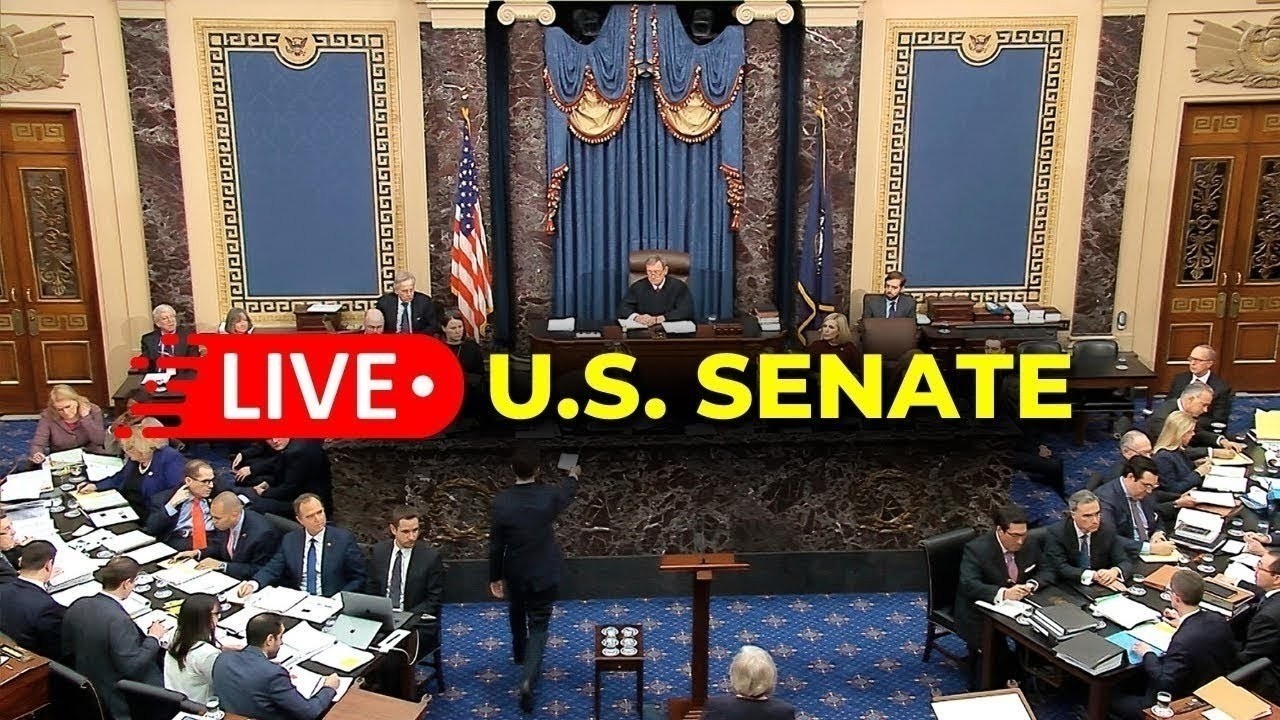
The **US Senate** has rejected a Democratic effort to rein in **President Trump**'s war powers regarding **Iran**. This move comes amid concerns that Trump's co
Summary
The **US Senate** has rejected a Democratic effort to rein in **President Trump**'s war powers regarding **Iran**. This move comes amid concerns that Trump's comments about Iran could hurt the **GOP**'s midterm chances. The vote underscores the ongoing debate over presidential authority in foreign policy, with some arguing that the president has overstepped his bounds. The issue is closely tied to the [[iran-us-relations|Iran-US relations]] and the [[war-powers-act|War Powers Act]]. The Senate's decision may have significant implications for the [[2026-us-midterm-elections|2026 US midterm elections]]. The situation is also being watched closely by other nations, including [[iran|Iran]] and its allies.
Key Takeaways
- The US Senate rejected a Democratic effort to limit President Trump's war powers regarding Iran
- The decision may have significant implications for the 2026 US midterm elections
- The issue is closely tied to the War Powers Act and the role of the president in foreign policy
- The international community is watching the situation closely
- The potential for military conflict between the US and Iran is a concern
Balanced Perspective
The Senate's vote highlights the complexities of the issue, with both sides presenting valid arguments. On one hand, the president needs to be able to respond quickly to emerging threats, but on the other hand, there are concerns about the potential for abuse of power. The War Powers Act is a [[cold-war-era|Cold War-era]] law that may not be well-suited to the modern security landscape. The [[united-states-congress|US Congress]] will likely continue to debate this issue, with some arguing that it is a matter of [[national-security|national security]] and others arguing that it is a matter of [[constitutional-law|constitutional law]]. The [[international-community|international community]] is also watching the situation closely, with many nations having a vested interest in the outcome.
Optimistic View
The Senate's rejection of the Democratic effort could be seen as a vote of confidence in President Trump's ability to handle foreign policy. Some argue that the president needs the flexibility to respond quickly to emerging threats, and that the War Powers Act is outdated. However, this perspective is not shared by all, and the issue remains a point of contention. The [[republican-party|Republican Party]] may see this as a victory, but it could also be a double-edged sword, as it may hurt their chances in the [[2026-us-midterm-elections|2026 US midterm elections]]. The [[democratic-party|Democratic Party]] is likely to continue pushing for limits on the president's war powers, citing concerns about the potential for [[unconstitutional-war|unconstitutional war]].
Critical View
The Senate's rejection of the Democratic effort is a disturbing sign of the erosion of checks and balances in the US system of government. The president's ability to unilaterally declare war is a threat to [[democracy|democracy]] and the [[rule-of-law|rule of law]]. The War Powers Act is a crucial safeguard against presidential overreach, and its erosion could have far-reaching consequences. The [[iran-us-relations|Iran-US relations]] are already tense, and this move may exacerbate the situation. The [[middle-east|Middle East]] is a volatile region, and the potential for [[military-conflict|military conflict]] is high. The [[global-community|global community]] should be concerned about the implications of this decision.
Source
Originally reported by NBC News